How to Negotiate Your Salary

Negotiating your salary can be a nerve-wracking experience, but with the right strategies, anyone can have a successful conversation with their employer – whether prospective or current. Here, we’ll provide some practical tips on approaching this discussion.

If you’re interviewing for a new job, do your research

Doing your homework is crucial when you’re working out how to negotiate a higher salary. Take some time before the conversation to map out your past experience, figure out what others in similar positions are earning, and what you might be willing to compromise on in lieu of more money.

Showcase relevant experience

Prepare to highlight your relevant experience and expertise that directly aligns with the job requirements. Demonstrate how your achievements make you the ideal candidate for the position. One good question to ask interviewers is if they have any reservations about offering you the job or paying you a higher salary. If they suggest that you might not be experienced for the role, this is a good opportunity to explain more about your experience and relevant skills.

Research salary range

Before the conversation, research industry salary standards and the average pay for similar positions. This will give you a benchmark for your negotiation. It also helps to know how your location, experience, and expertise may impact your salary range.

Think about other benefits being offered

Show your flexibility and willingness to negotiate other aspects of the compensation package by noting other benefits, such as bonuses, wellness grants, or stock options. Think about what’s important to you beyond salary and what you’d be willing to accept if the company can’t quite meet your salary expectations. For example, as we all search for greater work-life balance, you could negotiate extra vacation days or the ability to work remotely. You could also enquire about study leave or paid study options as a way to bring your cost-to-company up to a level you and the employer would both be happy with.

If you’re seeking a raise from your current employer, come prepared

When negotiating a higher salary in your current job, consider these strategies:

Document your contributions

Before asking for a raise, make sure you have compiled a list of your significant contributions to the company, such as successful projects, cost savings, or revenue growth. This tangible evidence strengthens your case for a salary boost. Where possible and practical, attach numbers to your contributions. This makes it easier to track tangible progress and visualise the difference you’ve made.

Showcase professional development

Highlight any new skills you’ve acquired since your last salary review. Demonstrating continuous improvement showcases your commitment to personal growth and professional development. For example, if you’ve been given the responsibility of leading a team, show how successful those you’ve been leading have been and indicate what you’ve done to grow and improve in your management role.

Use your performance review

If your company has a structured performance review process, use it to discuss your achievements and your desire for a salary increase. Reviews usually come around at predictable times of the year, so assemble your contributions, salary research, and professional development and proactively bring discussing a raise up.

Structuring the salary conversation

When the day arrives, you want to feel confident going in. The first step in any salary negotiation is to plan and structure the conversation effectively. Whether you’re negotiating during an interview or seeking a raise at your current job, follow these steps:

Express your gratitude

If you’re at the end of the interview process, start by expressing gratitude for the job offer. Show appreciation for the opportunity and express your enthusiasm for the position. If you’re discussing a raise with your current employer, express your appreciation for the job and your commitment to the company.

Demonstrate your value

In both scenarios, emphasise your accomplishments and the unique value you bring to the table. Discuss how your skills and contributions have positively impacted the organisation’s success, or – if you’re being offered a job – how you’ll boost the team.

Discuss your goals

Outline your career aspirations and how the job aligns with your long-term goals. This shows the employer you’re invested in the role and the company’s growth. After having discussed the value you provide and how you plan to grow in your career at the company, you can bring up how much you’d like to be compensated.

Remember, it’s always a good idea to be professional and polite. Avoid making ultimatums or becoming confrontational, as it may harm your relationship with your employer. At the same time, understand your worth and the value you bring to the table. If you’ve prepared effectively, you’ll be able to present a fair case for yourself. Effective negotiation is about finding a win-win solution that fosters a positive working relationship and supports career growth.

Launch your next well-paying digital skills career

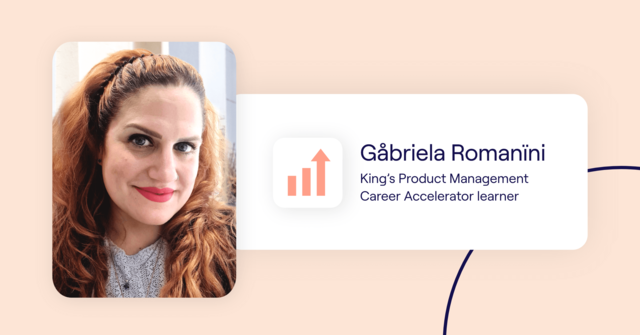
After working as a business analyst for years, Gåbriela Romanïni decided that she wanted to reinvigorate her love for her career and earn more to provide her and her son with a better life. She enrolled in the King’s Product Management Career Accelerator, and after only two months on the programme, she secured a new job with a much better salary. 

If you’re interested in sharpening your skills and earning more, take a look at our Career Accelerators. We’re on a mission to get you further in your career, faster, and provide you with the support you need to achieve your unique goals.

Find out more about the programmes on offer and how the combination of academic rigour, industry guidance, and executive career coaching can help set you on the path to making 2024 the year you earn what you deserve and more.

Why Transferable Skills Are the Key to Success

There are two interesting trends shaping employment in tech right now: employers are increasingly hiring based on skills, not university degrees, and there’s a growing demand for technology workers with more interdisciplinary and transferable skills. What this means is that the industry is opening to more people from diverse backgrounds and that the barrier to entry just got a lot smaller. 

So, what skills do employers look for if you don’t have significant experience in a career, or haven’t formally studied the subject? For many businesses, the right transferable skills are enough to prove that you can do the job.

What are transferable skills, and why are they important?

Transferable skills are a core set of skills and competencies that can be applied to a wide range of jobs and industries. They may be soft skills like collaboration and problem-solving or hard skills like data analytics or coding. They’re picked up over time and can be developed through work experience and personal pursuits, too.

Often called “portable skills,” transferable skills are the abilities you can take with you from one role to another, regardless of industry or job function. Unlike industry-specific skills such as accounting software expertise or investment banking knowledge, transferable skills remain valuable throughout your entire career, making them essential for long-term employability and career growth.

The difference between hard and soft transferable skills

While all transferable skills are valuable, they fall into two main categories:

Hard transferable skills

These are technical abilities that can be applied across different roles, such as data analysis, coding, project management software, or digital marketing tools.

Soft transferable skills

These are interpersonal and cognitive abilities, such as communication, leadership, adaptability, and emotional intelligence, that help you work effectively with others and navigate workplace challenges.

Both types of skills are pivotal for career success, and the most sought-after professionals typically possess a strong combination of both.

For a deep dive, look at the current research from the City of London Corporation that shows which human, transferable skills for students and workers are regarded as a top priority right now. The ones high on the list are oral communication and presentation, collaboration and teamwork, initiative, problem-solving, organisational skills, adaptability, and being able to work independently.

Transferable skills are important because:

  • they never expire
  • they give you more career potential and make you more employable
  • they make you more well-rounded and versatile
  • they can improve your confidence and impact
  • they make it easier to switch careers or industries
  • they can help you to go further in your career, faster.

Top 15 transferable skills employers look for

Whether you’re entering the job market for the first time, changing careers, or looking to advance in your current role, these transferable skills are consistently in high demand across industries globally:

1. Communication (written and verbal): The ability to articulate ideas clearly, listen actively, and convey information to diverse audiences.
2. Problem-solving: Identifying challenges, analysing situations, and developing effective solutions.
3. Critical thinking: Evaluating information objectively, identifying biases, and making well-reasoned decisions.
4. Collaboration and teamwork: Working effectively with others toward common goals, both in person and remotely.
5. Adaptability and flexibility: Adjusting to new situations, technologies, and working methods with ease.
6. Leadership: Motivating others, taking initiative, and guiding teams toward success.
7. Time management and organisation: Prioritising tasks, meeting deadlines, and managing multiple responsibilities efficiently.
8. Emotional intelligence: Understanding and managing your own emotions while empathising with others.
9. Digital literacy: Comfort with technology, digital tools, and the ability to learn new software quickly.
10. Analytical skills: Using data and evidence to inform decisions and solve complex problems.
11. Creativity and innovation: Thinking outside the box and developing novel approaches to challenges.
12. Attention to detail: Ensuring accuracy and quality in your work.
13. Research skills: Finding, evaluating, and consolidating information from multiple sources.
14. Initiative and self-motivation: Taking action without being prompted and driving projects forward independently.
15. Active listening: Fully concentrating on what others are saying and responding thoughtfully.

How to identify your transferable skills

Many people underestimate the valuable skills they already possess. Here’s how to uncover your transferable skills:

Review your past experiences

Look beyond just your work history. Consider past part-time jobs or internships, volunteer work and community involvement, and even academic projects and coursework.

List your achievements

Write down specific accomplishments from any area of your life. What did you do? What was the outcome? What skills did you use to achieve it?

Identify the action verbs

Look at your list and highlight the action words: Did you organise, lead, analyse, create, solve, coordinate, teach, or communicate? These verbs reveal your transferable skills.

Identify the action verbs

Look at your list and highlight the action words: Did you organise, lead, analyse, create, solve, coordinate, teach, or communicate? These verbs reveal your transferable skills.

Match skills to job descriptions

Review job postings in your target field and note the skills employers request. Compare these with your own skills list to identify your strongest transferable abilities.

Match skills to job descriptions

Review job postings in your target field and note the skills employers request. Compare these with your own skills list to identify your strongest transferable abilities.

Ask for feedback

Sometimes, others can see skills in us that we take for granted. Ask colleagues, friends, or mentors what they think your strongest abilities are.

Apply your transferable skills to a career in data analytics

Knowing how to use tech tools to manage data is an important skill, but even better is knowing what to do with that data once you’ve run it. The best data analysts come with a set of soft skills (and often come from diverse backgrounds) that enable them to better use their technical abilities in order to get great, insightful results that made an impact. 

Here’s a real-life example of transferable skills: Elodie Hudson was a teacher with a science background, wanting to transition to a career in data analytics. Because of her background, she was already an analytical thinker who could research, problem-solve, and communicate effectively. While studying on the LSE Data Analytics Career Accelerator, Elodie was able to combine her existing transferable skills and new data abilities to change her career and land a new job (in just three months). Her transferable skills ultimately made her a better data analyst. You can read her story here.

Become a data analyst with these transferable skills

  1. Analytical skills: If you have analytical skills, you’re able to use data to examine a problem from different sides and help break down the options for solving it.
  2. Problem-solving skills: If you love solving problems, you’ll love working with data. By identifying patterns, trends, and correlations, you can come to unique insights that solve business challenges.
  3. Communication skills: Excellent written and verbal communication skills are essential to explain complex technical concepts to non-technical stakeholders or present your findings to a broader audience.
  4. Research skills: The ability to find, organise, evaluate and present information is a particularly key skill for data analysts. Previous experience with research will help you to know what questions to ask to get the right answers.
  5. Critical thinking: Once all the data is in, your critical thinking skills will be put to the test as you evaluate data quality, identify biases, and assess the reliability of your findings.
  6. Adaptability: The field of data analysis is constantly evolving, and you’ll need to be flexible and able to adopt new technologies and methodologies to stay relevant.

Transition to product management

People often think product managers only need a technical background, and while it’s a vital skill set, certain soft skills are non-negotiable. These are transferable skills like design thinking, product marketing, and people or stakeholder management.

Say you’re a graphic designer looking to rework your previous experience to become a product manager. The transferable skills you likely already have and will help you transition are time management, attention to detail, collaboration, creativity, and a knack for visual communication.

Become a product manager with these transferable skills:

  1. Collaboration: You’ll need the skills to work in cross-functional teams and collaborate with various stakeholders. Effective communication, listening to feedback, and working together to achieve common goals are essential.
  2. Creativity: Product managers must think creatively when problem-solving, developing innovative solutions, and envisioning new features or product improvements.
  3. Visual communication: Excellence in visual communication is a must – as is applying design principles to communicate product ideas and concepts.
  4. Attention to detail: You’ll pay meticulous attention to details, ensuring that layouts are visually appealing and product specifications, user stories, and requirements are accurate and well-defined.
  5. Problem-solving: You’ll enjoy challenges and finding solutions to visually communicate complex ideas. You’ll identify and solve product-related problems like user pain points, market gaps, or technical limitations.
  6. Time management: Effective time management skills allow you to work on multiple projects while managing timelines, coordinating resources, and ensuring timely product releases.

The King’s Product Management Career Accelerator focuses on both the technical and soft skills needed to become a successful product manager. You’ll have the opportunity to apply the skills you learn to a live business project that’s six weeks, and set by a leading industry employer. So no matter if you’re starting your career or making a change, you’ll get practical experience – and a portfolio of work – to launch your career.

Transferable skills across other high-demand industries

While data analytics and product management are excellent career paths, transferable skills open doors across many other growing sectors:

Cybersecurity

Professionals with problem-solving abilities, attention to detail, analytical thinking, and continuous learning mindsets are highly sought after in this field.

Artificial intelligence and machine learning

Beyond technical expertise, AI professionals need critical thinking, creativity, ethical reasoning, and communication skills to explain complex algorithms to non-technical stakeholders and consider the societal impact of AI systems.

Project management

Project managers with organisational skills, leadership abilities, stakeholder management, and strategic thinking are essential to national development.

Healthcare

With high demand for healthcare professionals, transferable skills like empathy, communication, problem-solving under pressure, teamwork, and attention to detail are crucial alongside medical knowledge.

Renewable energy

Professionals with analytical thinking, project coordination, problem-solving, and adaptability are needed to support this growing sector.

Digital marketing

Creativity, analytical skills, communication abilities, adaptability to new platforms, and strategic thinking make strong digital marketers across industries.

Developing and strengthening your transferable skills

The good news is that transferable skills can be continuously developed and improved throughout your career. Here are ways to build your skills:

  • Take online courses and certifications in areas like leadership, communication, or project management
  • Volunteer for projects outside your comfort zone
  • Join professional organisations or networking groups
  • Seek mentorship from experienced professionals
  • Read widely across different industries and topics
  • Enrol in FourthRev’s Career Accelerator programmes that combine technical training with soft skills development

In a constantly evolving job market, where skills gaps present both challenges and opportunities, your transferable skills are the bridge between where you are now and where you want to be. Whether you’re a student entering the workforce, a professional considering a career change, or someone looking to upskill for advancement, investing in your transferable skills is investing in your future.

Where will you go with your transferable skills?

Find out more about the LSE Data Analytics Career Accelerator, King’s Product Management Career Accelerator, and other programmes that help you develop both technical expertise and essential transferable skills for career success.

Career Starter, Changer Or Advancer? Here’s How to Find a Job in 2023

It never used to be this complicated. A few years ago, when you were searching for a new job you’d provide your CV and perhaps a cover letter – at most. Today, even the design of your CV can impact your chances. Landing a job is now dependent on various factors, from your LinkedIn profile and social media accounts, to your portfolio, website, and networking connections. 

In this blog, we’ll teach you how to find a job in 2023 (even with no experience):

Find a job as a career starter

Believe it or not, to find a job with no experience is (statistically) not as challenging as it’s commonly touted. Everyone starts somewhere, and for career starters, there’s reason to be optimistic. According to Highflyer’s The Graduate Market in 2023 report, the number of graduates recruited in 2022 jumped by 14.5%, compared with the previous year – with the number of graduate jobs available in the technology sector seeing a 40% increase. 

Here are some practical tips to help you find a job with no experience:

  • Focus on your skills and strengths: Identify and showcase the skills you possess that are relevant to the job you’re interested in. These can be transferable skills gained through volunteer work, hobbies, university projects, or personal experiences.
  • Tailor your resume and cover letter: Explain how your skills relate to the job requirements. Emphasise your enthusiasm, willingness to learn, and any relevant coursework or certifications you have.
  • Gain practical experience: Look for opportunities to gain practical experience, even if they’re  part-time. Consider internships, volunteer work, or freelancing in your desired field. These experiences can help you build a portfolio and demonstrate your commitment.
  • Networking: This is a great way to discover job opportunities and connect with professionals in your industry. Attend industry events and webinars, and use LinkedIn to build relationships with hiring managers, recruiters, and experienced industry professionals.
  • Apply for entry-level positions: Be transparent and specific when looking for jobs: if you type ‘entry level’ in your LinkedIn search, you’ll find jobs that require minimal experience – and potentially on-the-job training.
  • Showcase personal projects or portfolios: These should reflect your skills and abilities and serve as a trophy stand for actual work you’ve done. This could include design work, writing samples, coding projects, or any other relevant work.
  • Don’t wait until you’ve finished studying to start looking for work: Most universities or colleges have career open days, networking events, student organisations, and part-time department work.
  • Leverage personal connections: Don’t be shy; tell your friends, family, and acquaintances that you’re looking for work. Your community may know of job openings or be able to provide referrals or recommendations.
  • Get as much interviewing experience as possible: This will bolster your interview skills so that when your dream job does come along, you’ll know exactly how to impress the hiring manager.
  • Be proactive and persistent: Keep applying, follow up on your applications, and ask for feedback when possible. Landing your first job is hard, and rejections will happen – but keep persevering. 

Find a job as a career changer

US government research shows a ‘job for life’ is becoming a rarity, with university graduates between the ages of 18 and 46 likely to have around 12 jobs during their careers. Though career changers may have experience, they too will face some of the same challenges that a career starter experiences.

Career changers – your ways to find a job will be slightly unconventional: 

  • Still not sure what your next career should be? A career plan will help you define your experience, skills, and goals for the future. You’ll then be able to identify how your skills can be transferred to other jobs and what skills gaps you may need to focus on. Once you know what you want, you can start searching for the right roles.
  • Upskill or reskill: Though you’ve got an existing skills toolkit, you’re changing careers, which means there may be some new gaps. With online learning, you can upskill (or totally reskill) while searching for your new role. Look for intensive programmes that are affiliated with universities or industry partners, so you know they’ll make a true impact on your career. 

Our Career Accelerators do both, plus some: you’ll get to experience the unique benefits of intensive university education, expertly crafted in collaboration with industry leaders. You can learn more about our programmes and what they’re designed to do here.  

  • Network, network, network: We’ve spoken about the power of networking before, but for career changers, it’s even more important.  Don’t just stop at LinkedIn, reach out to your university peers and networks, and join events or webinars in the new industry you want to break into.
  • Personal branding: Your personal brand should reflect your new career. Up your game by working with a career coach who can help you clarify your goals and reposition yourself in a new field. Start by writing a personal mission and vision statement to help define what you care most about, and what you’d like to accomplish.
  • Don’t skimp out on application preparation: Build up your portfolio of evidence and work on a powerful cover letter that describes your interests, transferable skills, qualifications, and relevant knowledge and experience. This will serve you in any job application.

Find a job as a career advancer

Advancing in our careers takes focused, hard work. When you feel you’ve reached the ceiling in your job, or you’re wanting a totally new challenge, you can use these tips to go further in your career, faster: 

  • Update your skill set: Whatever your career ambitions are, you always need to keep your skills up-to-date – especially if you’re in technology. That also means staying in tune with industry trends. It also shows that you’re committed to your job and industry, and could help unlock the next stage of a long and satisfying career. 
  • Speak to your leaders: Don’t underestimate the power of a career growth map even as an experienced professional. It can help focus and direct your next steps, and turn goals into actual career results. It’s also critical that you bring your leader along for that journey: make them aware of what you want. Hopefully you can decide together if that’s something your current company can offer you.
  • Become a mentor: There are many benefits to sharing your expertise with others – for both sides. It can help solidify your leadership style while you empower someone hungry for knowledge and guidance, and perhaps through the process it reveals the gaps in your management toolkit that you can focus on.

Ensure you have the right skills for your next career move

While signing up with recruitment agencies and applying for jobs through employment websites and social media sites such as LinkedIn remain important first steps, there is so much more you can do to move forward professionally. Upskilling and continuous learning are key steps we all need to take, regardless of whether we’re starting out, changing jobs, or aiming for a promotion. 

Fourthrev programmes are designed to help you realise your potential in high-growth roles across the most exciting industries. You can find our full programme portfolio here.

How to Prepare for a Job Interview in 2023

If you’re in the market for a new job, you already know that preparing for an interview is critical. Showing up with the right questions and curiosity can distinguish you from the other candidates. And in today’s competitive job landscape, you need every advantage you can get.

This article will teach you how to prepare for a job interview, with updated tips and tools for 2023.

1. Research the company: Understand work values and culture

First up on the interview preparation checklist is learning more about the companies you apply to – that means doing your research. Now, more than ever, employers value candidates with the necessary skills that align with their work values and company culture. By thoroughly understanding what the company does, you can demonstrate your genuine interest and fit within the organisation. Here are a few tips:

  • Explore their website: Study the company to learn about their products, services, and recent news or achievements. Pay attention to their mission statement and core values, and find ways to demonstrate how they align with yours during your interview.
  • Check social media and online presence: Browse the company’s social media accounts, LinkedIn profile, and any relevant online publications. Doing so will give you a broader understanding of their industry presence and current initiatives. It may also reveal if you have any connections within the company who can vouch for you, personally or professionally.
  • Tap into your network: On that note, reach out to professionals in your network who may have connections to the company or industry. Their insights and experiences can offer valuable information beyond what is publicly available. 

Don’t be shy: show what you know about the company’s values and culture when you’re in the interview. Better yet, if their values align with your personal ones, make that known, too. 

2. Showcase your skills: The power of an online portfolio

When applying for a job in the creative or tech industry – such as UX design or software engineering – having an online portfolio is a powerful way to demonstrate your skills and provide interviewers with a tangible representation of your work. Interviewers often review candidates’ portfolios ahead of time to gain insights and discuss relevant topics during the interview. Here are a couple of tips to create an impactful online portfolio:

Curate your best work

Carefully select and showcase your most impressive projects, emphasising the skills and expertise that align with the job you’re applying for. Ensure that your portfolio reflects your ability to solve problems and deliver results. It can be tough to do this when just starting your career, so work with what you have: personal projects, university or internship work.

Provide context and explanations

Alongside your portfolio pieces, include descriptions and explanations of the projects, highlighting the challenges you faced and the solutions you implemented. Doing so will help interviewers understand your decision-making process and the impact of your work within a wider project or organisation.

By having a well-curated online portfolio, you demonstrate your skills and expertise, leaving a lasting impression on potential employers. You can have multiple portfolios showcasing different skill sets. For a full-stack developer applying for a backend developer job, it might be helpful to have a separate portfolio showcasing specific pieces of work that support your application rather than everything you’ve ever done.

Is your portfolio looking sparse? Consider investing in an online course or certification that adds to your overall expertise. You can branch out, too – focusing on skills that help you to make better decisions at work. For example, marketing professionals can consider improving their data skills, as it’ll lead to a more holistic understanding of marketing metrics, goals, and business results.

If you already know that you want to build or improve your data skills, take a look at the Data Analytics Career Accelerator from the London School of Economics and Political Science.

3. Effective communication: Active listening and engaging responses

Employers value candidates who actively listen, engage in conversation, and provide thoughtful answers. Here are a few tips to enhance your communication skills during an interview:

  • Active listening: Pay close attention to the interviewer’s questions, ensuring you understand them thoroughly before responding. Demonstrate your attentiveness by maintaining eye contact and nodding to show your understanding.
  • Conversational and upbeat tone: Maintain a conversational and upbeat tone throughout the interview. Be confident but also genuine and personable – this helps create a positive rapport with the interviewer.

4. Master the STAR method: Tell your story effectively

Employers often ask behavioural-based questions during job interviews to understand how candidates will handle specific situations. The STAR method is one technique for answering these types of questions. Here’s how it works:

  • Situation (S): Start by describing the situation or context in which the experience occurred. Provide enough details to help the interviewer understand the background of the situation. Be concise and focus on the key elements relevant to the question.
  • Task (T): Clearly explain the task or goal you were trying to achieve in that particular situation. This helps the interviewer understand the purpose and goal of your actions. Emphasise any challenges or obstacles you encountered during the task.
  • Action (A): Describe your actions to address the situation and accomplish the task. Highlight your contributions and the steps you took to overcome challenges. Be specific and provide enough details to showcase your skills and abilities. Focus on your problem-solving skills, leadership qualities, and ability to work collaboratively.
  • Result (R): Finally, share the outcome or result of your actions. Quantify the results, such as increased sales, improved efficiency, or positive client feedback. Highlight the positive impact of your actions and demonstrate how your contributions made a difference in the overall outcome. If there were any lessons learned or personal growth from the experience, mention that too.

The STAR method lets you structure your answers clearly and concisely, giving the interviewer a well-rounded understanding of your abilities and accomplishments. It helps you stay focused on the relevant details and ensures that your responses are organised and impactful.

5. Technical interview preparation: Practise with a focus

For those in tech, you can expect to flex your technical abilities in dedicated interviews. These evaluations show employers how you navigate technical problems, as well as your breadth of tech skills and tools. 

Here are a couple of tips to help you excel:

Study industry-specific interview formats 

Different companies and industries may have specific interview formats tailored to their needs. Research standard technical interview formats used by top tech companies in your field and understand the types of questions and problem-solving scenarios they ask. 

Practice with a friend or coach

One of the best ways to prepare for technical interviews is through practice sessions with a friend or career coach. Use a whiteboard or coding platform to work through problems together; some online coding platforms even offer practice interview questions.

During practice sessions, take note on how you problem-solve, devise efficient solutions, and communicate your thought process. Remember, technical interviews assess not only your technical skills but also your approach and ability to explain your reasoning.

Prepping for an interview is also the perfect time to work with a career coach. Every learner on our Career Accelerators has access to free 1:1 coaching. Career Coaches help learners at whatever stage they’re at, whether that’s prepping for an interview or setting goals to achieve a promotion. 

Go into your interview with confidence

There’s lots of work to be done during the interview process, but what about landing that interview in the first place? That’s where your experience and education really plays a part. 

Career Accelerators step beyond simply giving you a set of skills to do a job – they set the foundation for a long and meaningful career. FourthRev partners with world-class universities, tech leaders, and employer partners to ensure you gain the skills companies actually need. A university certificate will immediately set you apart from other job candidates, and it provides the ultimate validation that you’ve got what it takes to succeed. 

FourthRev Career Accelerators can also connect you to top employers, helping you get to that interview stage, faster. Take a look at the six-month, online programmes in UX design, product management, and data analytics. 

Maximising Efficiency: Proven Techniques for Successful Time Management

Who doesn’t battle with distractions during their workday? Whether you work in an office or from home, multiple things competing for your attention can make staying focused hard. According to HBR, the average employee gets distracted as many as 50 to 60 times every day! 

Research has shown that to do our best work, we must reach “the flow state” – a state of intense concentration where McKinsey proves that people are five times more productive. But how do we get there?

Knowing how to manage your time more effectively is often the best way to keep your focus narrow and get the most out of your day. Here are five suggestions to help you feel more organised and in control of your working hours.

Decide what’s most important and prioritise it

In Future Skills: The 20 Skills And Competencies Everyone Needs To Succeed In A Digital World, business author and tech influencer Bernard Marr devotes an entire chapter to time management. In this chapter, he encourages readers to prioritise tasks based on their importance instead of how enjoyable they are. To do this, he uses the “ABC Method”:

  • A is the important, must-do item for the day. If you do nothing else except your “A” task, you’ve achieved something significant. If there is more than one “must-do” task, stagger them based on what is the most urgent.
  • B tasks are less important, but you only move on to them once all “A” tasks are done.
  • C tasks are great if you have time to do them, but it’s okay if you don’t find time.

Successfully completing a weighty task with a broader impact is a great way to feel accomplished and get into the zone. This makes it easier to stay focused for more of the day and maintain a sense of motivation.

Bonus resource: Take a look at Makeuseof’s review of apps that help users prioritise tasks.

Timebox to limit how long you spend on tasks

Parkinson’s Law states that “work expands so as to fill the time available for its completion,” meaning we’ll take three days to complete a task if we have three days to do it when realistically, it could be done in a day and a half.

When timeboxing, you allocate a certain number of hours or days to each task and use only this time to complete it. It’s a simple and effective way to manage your daily workload and ensures you don’t spend too long on any given task.

To help stick to your allocated timebox, set yourself a deadline when you have to submit what you’re working on to a colleague to help keep you accountable. It’s easy to creep over self-imposed timeslots, but having someone waiting on you can apply the right amount of pressure to complete your tasks.

Bonus resource: Read more about timeboxing from Mindtools and Asana.

Visually block off your time

While this might not work for everyone, try dividing your calendar into bite-sized timeslots with tasks pre-assigned to different times during the day. The more detailed you are with your allocations, the easier it will be to see how much you’re taking on and how much is realistic to achieve.

Colour-coding your tasks in your calendar can also help you feel more organised. When you can see everything clearly categorised, it can help group similar activities and limit context switching – something that kills concentration for almost everyone!

If your calendar is publicly available, blocking off time for specific tasks and breaks away from the screen can help your colleagues better respect your schedule and book meetings when you have an intentional opening. 

Bonus resource: Use a meeting scheduling tool like Calendly to take control of your diary and only allow people to book meetings when it suits you.

Manage your notifications

Because we work cross-functionally, we often have to sort through a jumble of information coming from all directions. Different departments rely on various tools, productivity apps, documents, and spreadsheets that all send notifications that vie for your attention, contributing to an “always-on anxiety”.

To manage this, batch check email, notifications, and instant messages at predetermined times. Tools like Gmail’s Inbox Pause lets you pause your inbox once you’ve checked it and only unpause it when you’re ready. Blocksite and the Freedom app also allow you to block access to specific apps and websites during specified intervals.

You can also turn off unnecessary notifications on your phone and set it to “Do Not Disturb” or aeroplane mode to limit interruptions during certain times of the day. Research conducted in the USA showed that in 2023, the average person checks their phone 144 times a day, so if you just can’t put it down, try locking it in a drawer or leaving it in a separate room.

Bonus resource: Check out Zapier’s list of distraction blockers that help you focus and build discipline.

Practise the Pomodoro technique

As human beings, it’s impossible to stay completely focused for extended periods of time. The Pomodoro technique suggests working in 25-minute bursts before taking a short break and then continuing. Here’s how to do it: 

  • Start your day by deciding what tasks need to be done 
  • Choose what you’d like to start with
  • Set a timer for 25 minutes
  • Focus exclusively on your set task until the timer goes off 
  • Take a five-minute break
  • Start your next 25-minute burst

After four “Pomodoros”, take a longer 15-30 minute break before starting the next cycle.

People who’ve found success following this method have reported that it’s felt less daunting to tackle tasks, improved quality of work, less mental exhaustion, better attention span and more motivation.

Bonus resource: Make your Pomodoro more fun by using a tool that allows you to customise your timer with a fun background or relaxing music. 

Manage your time better and take the next step in your career

We often get asked how our learners are able to manage studying, working full-time and making time for their families while enrolled in our Career Accelerators. Many learners, like Gåbriela, Diego and Kelli, share how the support from their Success Managers and Career Coaches helped them prioritise effectively so that they could do it all.

If you’re interested in finding out more about any of our programmes, get in touch and let’s discuss whether it’s the right fit for you and how we can help you make it work.

The Power Of Personal Branding – Your Key to Standing Out in a Crowd

Twenty-five years ago, business guru Tom Peters wrote a piece for Fast Company entitled The Brand Called You. The best-selling author suggested that in “The Age of the Individual”, a new brand order was sweeping the world — one in which we all had our part to play. Everyone, Peters said, had the chance to stand out.

And so the concept of a personal brand was born, a concept now more relevant than ever thanks to the prevalence of remote work and tough competition for top jobs. A degree and previous experience aren’t always enough in today’s job market; recruiters and hiring managers are increasingly looking for self-aware candidates who know how to sell themselves and their abilities well. Knowing who you are, what you want and where your strengths lie – and presenting that information effectively – is the key to modern-day career success.

Let’s take a closer look at what a personal brand is, why it’s important, and how to cultivate one.

What is personal branding, and why is it important?

Jeff Bezos famously said, “Your brand is what people say about you when you’re not in the room.” More formally put, we can define it as follows:

“A personal brand is widely recognised and largely uniform perception of an individual based on their experience, expertise, competencies (skills), personality, actions and/or achievements with a community, industry, or the marketplace at large.”

Many well-known people in the tech arena have become famous because they built strong personal brands. Think of online marketer, entrepreneur and investor Neil Patel, whose pay-it-forward attitude garnered him millions of followers across social media. Or Apple’s Steve Jobs, who literally ‘lived the brand’ through his cohesive aesthetic — reflected in his signature black turtleneck and blue jeans — that extended to the simple excellence of Apple products.

Another example is Wordstream founder Larry Kim, who realised producing lots of content on his personal account was far more powerful than hiring a PR team. His personal statement, “Be a unicorn in a sea of donkeys”, has made him so memorable that when some people see a stuffed unicorn, they think of Larry Kim.

How to build a personal brand

One of our FourthRev Career Coaches, Maiyo Febi, recently presented a masterclass in personal brand building, where she talked through the ‘why’ and practical ‘how’ of building a personal brand.

Maiyo said that building a personal brand starts with taking inventory of who you are and what your personality is about. Once you’ve got to grips with this, you can begin to assess what your expertise, experience, skills, and achievement looks like and combine them with your personality strengths to formulate a powerful statement. This way, when people ask you what you do, you can articulate what you bring to the table with confidence and fluency.

These are not small things to wrap your head around. To help, Maiyo unpacked each element:

  • Personality: What makes you uniquely ‘you’? How do you position yourself to the outside world in a way that serves you every day?
  • Experience: Don’t just think of your professional experience. ‘Experience’ encapsulates things outside of your work that you’ve been doing consistently over time too.
  • Expertise: This is something you are uniquely good at and includes the work you’ve done and the roles you’ve held in different organisations.
  • Competencies: These are your skills, both hard (technical) and soft (teamwork, communication, etc.) and your specific work-related strengths.
  • Achievements: From degrees and education to prizes you’ve won, projects you’ve done in your community and milestones you’ve reached with your family, your achievements are the highlights of your career and personal life.

The building blocks of a personal brand

According to Maiyo, building a personal brand consists of three steps: Preparing, positioning and presenting. Here are some practical tips for each.

Preparation

Establish a base idea of your personality

Consider doing a personality test like Enneagram, Good.co, Brain Profiling, Myers-Briggs and Gallop Clifton Strengths. These tests can give you insight into yourself and help you amplify strengths and identify improvement areas.

Keep a record

Jot down the things you do during your working day, detailing the results you deliver and the value you create. Similarly, write down new things you learned or skills you recently developed, either through learning or work experience. Note how you’ve been performing. For example, if you have a KPIs system in place at work, how many did you reach in the last quarter? What set you up to win? Where could you improve?

Be vulnerable

This can be tough, but ask the people around you for feedback to address your blind spots. To get a holistic view, speak to colleagues and friends. Know whose opinion you value and will take seriously. A helpful tool is the Johari Window for developing self-awareness.

Spend time reflecting

Really understanding who you are and what you want out of life is so important to make changes that will positively affect you in the long-term. Ask yourself questions to identify the values, beliefs and goals that drive you. Some that you might consider:

  • What is one thing that comes naturally to me?
  • What do I really love doing?
  • What would I do every day even if I weren’t paid for it?
  • What do others ask me for help with?
  • What do I bring to a team?
  • What comes naturally to me even though it’s not part of my role?
  • What value do I add?
  • What skills am I paid for?
  • What am I doing when I’m at my happiest?

Positioning

Positioning involves summarising your experience, expertise, personality, competencies and achievements. This forms the foundation of your unique selling point and informs how you introduce yourself at a networking event or interview, on the internet and in your CV. 

Maiyo suggests using the CAR method to break down your personal brand statement into three important sections:

1) Context or challenge (the base of the story)

2) Action (what did you do)

3) Result (what happened after the action you took)

As you’re working through this, make use of verbs, such as ‘I built’, ‘I provided’, ‘I changed’, ‘I helped’, ‘I developed’, to relay your active involvement in your story. Keep yourself at the centre and use words that are powerful but concise and easy to understand.

Presenting

Whether it’s online or in-person, you have to ‘live your own brand’. Once you know who you are and how to tell others your story in a compelling way, you need to keep it up and fully believe it yourself to yield the best results.

Here are ways to get it right:

  • Communication: Use your body language and voice to your advantage. Look interested and lean into personal conversations.
  • Appearance: Your appearance is powerful and plays a large role in creating a first impression. How do you want people to perceive you? 
  • Consistency: Present yourself as the same person every time, everywhere. 
  • Energy: What energy do you give off? This is subtle and something that can instantly attract or turn people away. Be aware of how you make people feel.
  • Authenticity: Don’t try to be someone else. It’s easy to read fake people, and you’ll be caught out quickly.

An important part of the presentation aspect is increasing your digital footprint across media. More employers are requesting reports to understand who applicants really are, so how you show up online counts for a lot. When using social media, know your audience and choose where you want to be. Remember that you must be able to own, protect and defend whatever you post.

You can grow your personal brand on social platforms through status updates, reviews, opinions, comments, and sharing articles and posts that reflect who you are. Ensure you align your profiles wherever they are — from Github to Substack, LinkedIn and Twitter — to create consistency and sell your brand convincingly.

Get help with your personal brand building

If you enrol in one of our Career Accelerators, you’ll get access to five sessions with a dedicated Career Coach, like Maiyo, who can help you with goal setting, networking tips, personal branding, developing a growth mindset, teaching you how to leverage your LinkedIn profile and preparing for an interview.

If you’re interested in finding out more about our Career Accelerators and how a Career Coach can help you develop and execute your own personal brand, book a call with one of our Enrolment Advisors today.

The Art of Leadership: Skills You Need to Advance Your Tech Career

Today’s employers, especially in tech, are looking for specific employability and personal skills, and one particularly important skill they’re scanning for is leadership. Why the tech industry specifically? As the authors explain in this Harvard Business Review (HBR) article, the tech industry’s combination of high-velocity competition, global talent, complexity, and interdependence among rivals makes it a truly unique environment, requiring employees to have a distinct set of leadership skills.

Even if you are not considering a leadership position, developing leadership skills is critical because it can give you a competitive edge when applying for a job or promotion. It also makes you more resilient, adapt to stressful situations and bounce back from difficult experiences. Most importantly, it can act as a multiplier on the effectiveness of your ‘hard’ technical skills.

Let’s take a closer look at key leadership skills needed for a career in tech and how you can start developing them to grow in your career.

What is leadership?

Leadership is defined as a process of social influence which maximises the efforts of others towards the achievement of a goal. A big part of being a good leader is personal leadership which, according to business psychologist Grace Asemota-Orisakiya, is ‘the ability to take responsibility for all aspects of your life and lead it in the direction that is best for you.’

This shows that anyone can be a leader. You don’t need to be the most senior, have a fancy title, a particular personality or be working in a management role. If you possess the skills needed to engage, interact with and influence the people around you effectively and positively, you have what it takes to be a leader. 

The most important leadership skills for digital roles

To succeed in a tech career, you need to possess a range of interpersonal skills, including strong communication, agility, self-awareness, influence, decision-making, conflict management, relationship building and critical thinking.

When considering the leadership skills that employers value most, HBR argues that communication and agility are what will set you apart. The Centre for Creative Leadership suggests that self-awareness and the ability to exert influence are also key. Let’s take a closer look at these four skills, why they’re so highly valued and how you can work on developing them.

Communication

Tech professionals need strong communication skills to explain complex concepts and build relationships with their colleagues and clients. Presentations and meetings aside, a lot of technical communication – from documentation to code review comments, group discussion threads, and combining requirements for a specific project – relies on good written communication to ensure the job gets done.

Quick tips to improve your communication skills

  • Keep it simple and be specific. Avoid speaking in jargon or using acronyms in written communication.
  • Practise active listening, a communication skill that goes beyond simply hearing the words to understanding their meaning and intent. Show interest, make good eye contact, notice non-verbal cues, ask open-ended questions, and reflect on what has been said before you respond.
  • Set goals to build your communication confidence, such as networking, delivering a presentation or raising a point in a meeting.

Agility

We all need to learn to adapt and thrive in situations that are uncertain, and when you don’t know what to do, being agile is the key. Tech employees, in particular, often face high pressure and ambiguity as they navigate overlapping and shared accountabilities. Being agile means, you not only tolerate uncertainty and change but embrace and drive through it, demonstrating effective and compassionate leadership.

Quick tips to become more agile

  • Take action by focusing on what you can control so that you keep moving forward. 
  • Increase your learning agility, or your ability to ‘know what to do when you don’t know what to do’. This includes learning from experience, getting out of your comfort zone, embracing new challenges, and pushing for new ideas.
  • Develop your technical skills by attending relevant courses. By staying up to date with what’s going on in your industry, you are more resilient to change and can avoid the stressful situation of having to learn as you go.

Self-Awareness

Self-awareness – how we see ourselves and how we think others see us – is essential when working with diverse teams. Without self-awareness and self-knowledge, it’s difficult to be a good leader because you don’t know what you’re good at, where you need help, and what situations throw you off track.

Research suggests that when we can see ourselves clearly, we are more creative and confident. We build stronger relationships, make sounder decisions, and communicate more effectively.

Quick tips to develop self-awareness

  • Ask for feedback. It’s one of the fastest ways to learn about yourself and grow.
  • Keep a journal to help you understand yourself better.
  • Ask ‘what,’ not ‘why’. For example, don’t ask ‘Why am I not being productive today?’ but rather ‘What about my environment is influencing my productivity?’ ‘What’ questions help us stay objective and find solutions more easily.

Influence

Influence is getting someone to voluntarily do what you want them to do. It should not be confused with power or control or manipulating others to get your way. Rather, it’s based on trust and working effectively with people over whom you have no authority. You want to inspire them to behave in a particular way, leveraging key tactics that involve, connect, and engage them.

Quick tips to become more influential

  • Leading by example is a great way to positively influence clients, co-workers and individuals. 
  • Build trust by showing a genuine concern for others’ interests, needs, motivations, and values.
  • Appeal to their logic by tapping into others’ rational and intellectual positions. By doing this, you won’t struggle to get them to follow your lead.

Hone your leadership skills to excel at your tech job

Developing soft skills is often overlooked by tech professionals during their studies or at the start of their careers. This means exposure to human skills, such as leadership, might not happen until you’re well-established in the workplace. 

One of the best ways to understand, internalise and practise leadership skills is by working with a Career Coach to unpack your strengths, areas of improvement and career ambitions.

If you’re interested in finding out more about our Career Accelerators and how a Career Coach can help you become a leader in your own career, book a call with one of our Enrolment Advisors today. 

A Guide to Networking: How to Connect with Others and Grow Your Career

You’ve probably heard the phrase: “Your network is your net worth,’ a punchy modern take on ‘it’s not what you know, it’s who you know”.

Increasingly referred to as ‘social capital,’ networking is defined as building, maintaining, and using relationships for career advancement. It has become a powerful tool to advance your career and provide an enduring interpersonal safety net that will carry you through hard times. In today’s interconnected world, where so much relies on word-of-mouth, reputation, and personal referrals, a strong network of people who can vouch for you is more important than ever.

Some people may find networking daunting. If you’re one of them, remember you don’t have to befriend the whole world to take this career progression opportunity. Because there are so many channels, you can choose the ones you feel most comfortable with. If you’re wondering where to pick up from, follow along for our easy guide to start networking.

Networking can help you grow your career

A professional network can offer many things, but perhaps the most talked about is career growth. Research shows that people with stronger networks earn higher salaries and are promoted more often throughout their careers. Studies also show that people with diverse contacts have better access to information that helps them be more innovative in the workplace.

Benefits of networking

  • When you interact with others, you constantly gather information, which helps you learn, grow, and perform at a higher level. You can use your network to gain insights about your industry, for example, by talking to a thought leader on LinkedIn, getting feedback on an important project by interacting with peers or gaining tips on how to excel at your organisation by talking to senior leaders. 
  • It boosts your profile and reputation within your industry and often serves as a career progression opportunity. The more people see your face, learn your name, and associate you with a certain skill set, the more clout you will build.
  • When job hunting, a network can introduce you to opportunities before they’re advertised, and you get to meet the right employers, clients, or people who could be a stepping stone to changing your life.
  • You gain access to influential people who you would have a hard time getting in touch with otherwise. Industry events often feature workshops from business leaders and pros from other parts of the world.
  • Seeing how others in similar positions have attained top positions can provide you with a roadmap for your own career development.
  • You stay up-to-date on the industry, news, and trends. Attending events like workshops or seminars, or talking to people who are leaders in their fields, means you continually have access to the latest information and strategies.
  • It builds self-confidence in your abilities when interacting with other professionals in your field, especially as you get used to presenting your skill set and speaking to people in top positions.

Practical advice to start networking

Here are practical steps to get your career networking off the ground.

Build a personal brand

FourthRev Career Coach, Maiyo Febi, says that before you start networking, it’s important to build a personal brand. A personal brand is a ‘perception of an individual based on their experience, expertise, skills, personality, actions and/or achievements within a community, industry or the marketplace.’

She urges professionals to take inventory of who they are and what their personality is about. Doing an online personality test, such as Enneagram or the Gallup CliftonStrengths assessment, is a good place to start. Combine your personality test outcome with your expertise, experience, skills, and achievements to formulate a powerful statement that sells you who you are well. This way, when you’re at a networking event, and people ask you what you do, you’ll be able to articulate what you bring to the table with confidence and fluency.

Launch yourself on LinkedIn

LinkedIn is an excellent professional networking platform that offers various career advancement opportunities. Another one of our Career Coaches, Adele Leah, suggests that once you’ve updated and optimised your profile, you should join groups relevant to your industry and request recommendations from your first-degree connections. 

Regularly interact with posts and comments, and use hashtags in posts you create so that you’re easy to find. Because LinkedIn is primarily about making connections, Adele suggests you upgrade to Premium, even if only for a short time, to boost your search functionality and the number of connections you can make. 

Join Meetup and other networking events and groups

Meetup has been around for over two decades and is still considered one of the most effective social networking platforms for connecting individuals with shared interests. Meetup groups are organised around various themes, such as technology, entrepreneurship, marketing, coding, and even professional networking.

When you sign up, you’ll be able to pick a category such as ‘boost your career’ and then find groups or events in your area. On the group page, you can see its members, the organiser/s, events, photos, and discussions. When you find something that interests you, simply request to join. 

You can also give Eventbrite and Facebook a whirl or look for Mastermind group meet-ups using a simple Google search. These events happen in person or via video conference and are designed to get you thinking critically about your industry and profession. In these groups, members share their knowledge and skills and support each other in reaching their goals.

Harness the power of professional associations

Professional associations, such as TechUK, often hold events and conferences that provide the opportunity to meet people face-to-face. In addition to networking opportunities and one-on-one conversations with industry experts, you can access educational resources and training programmes through workshops and seminars.

Connect with industry experts and likeminded peers through a Career Accelerator

When you enrol in one of our Career Accelerators, we provide ongoing opportunities to network with peers and experts in the field during live facilitator-led sessions, masterclass presentations and in an online forum.

During the Employer Project, learners interact directly with employers and experts in the field by working on a real business problem set by an Employer Partner. Working as part of a small group, you’ll get to ask questions, pitch your ideas, construct a complete solution and receive feedback.

Learners who live in the same area often organise in-person meet-ups, which is another great way to build working relationships.

Use your network to make your next career move

Whether you’re starting your career journey, making a career switch, or are solely focused on career progress and growth, networking is a critical competency. Based on trust and support, and with the potential to open up a whole new world of opportunities, it can mean the difference between an ordinary career and a phenomenal one. 

Once you’ve chosen your networking channels and prepared your personal brand statement, reach out, introduce yourself, shake some hands, and start talking to people. You’re only a conversation away from your next great connection!

5 Career Questions Answered by Our Career Coaches

To ensure that our Career Accelerator learners continue to have access to the support and resources they need to achieve their career goals, we’ve created the FourthRev Community.

Every learner that completes a Career Accelerator programme is invited to join the community on Slack, where we encourage everyone to connect and network, ask career questions, share industry learnings and reach out for help when they’re experiencing a career challenge. We share articles and podcasts from our university and tech partners regularly and also host a variety of online events, including webinars, live Q&A sessions with our Career Coaches and networking socials.

Get expert advice from our Career Coaches

We’ve devoted one of our community Slack channels to ‘career questions’, where we encourage our members to reach out with anything career-related that’s on their mind. Our coaches all weigh in, offering expert advice and guidance through posts or voice notes.

This month, our community members were curious about:

  • How to present themselves when meeting new people at networking events or job interviews 
  • Tips for pivoting in their careers
  • How to build a personal brand and create a winning elevator pitch

Here are some of the questions we received and the advice our Career Coaches shared:

Q: I’m nervous to go out and start networking. Do you have any insights that can help me?

Don’t think of it as networking; think of it as relationship building
Emma: “I’ve found it helpful to reframe how you think about it. In your mind, change the idea from ‘networking’ to ‘relationship building’. Thinking of it that way personally gave me permission to do it my way. In general, I find people like talking about their interests and careers, so you can be effective at networking by taking a genuine interest in other people.”

Have an opening statement
Alice: “For me, it’s about being clear about what my opening statement is going to be, especially for in-person networking. I feel more confident when I’ve practised what I will say when someone asks me, ‘What do you do?’”

Focus on the other person
Adele: “In the past, when I went out to network, I’d focus on myself and what I was going to say or do. This used to make me feel really frazzled. Networking totally changed for me when I shifted the focus to who I was going to meet and what I could ask them to find out more about them and engage with them. It was a game changer, and I found I built great relationships, found out lots of interesting information, and felt a whole lot less nervous.”

Be clear on what you want to communicate
Maiyo: “I struggled to focus on communicating my core message: Out of all the things I can do, what was the most important thing I wanted people to know? The clearer I became about that, the easier it was for me to network.”

Read the room and adapt accordingly
Clare: “It is a great feeling when you meet someone, and the conversation flows, rather than those awkward interactions. I also find that I need to reflect on the message as the core message might change or need to be adapted slightly depending on the purpose of the networking.”

Q: I’m looking to change industries. Should I focus on building my network and personal brand first or get out there and “fake it ‘til I make it”?

Let your unique attributes shine through
Tracy: “I would own the new version of you. Be confident. People are unlikely to hire you if you don’t have faith in the new version of yourself. Remember what makes you different from the rest and embrace it.”

Be true to yourself
Alice: “Be your authentic self, and you will find roles that align with you more.”

Q: When pivoting a career and writing a LinkedIn or CV summary, is it better to explain the past or to focus on the future?

Strike a balance between what you can already bring to the table and where you’d like to focus your growth
Alice: “When making a career change, those summaries can be so important to explain why you have pivoted. I would suggest that you touch on key parts of your past experience and the transferable skills you have gained, but also talk about your career goals now, like what you want to achieve or get into and what steps you are taking to get there – for example, enrolling in the Career Accelerator programme.”

Q: What are some tips you would give to someone looking to make a career change, particularly if they have been in the same industry for a long time?

Start by visualising your ideal career and work backwards
Alice: “I recommend exploring and clarifying what a great job looks like for you. You can do this by reflecting on your past career and working out what your motivators are, what your values are, what your transferable skills and strengths are and what conditions enable you to thrive. Clarifying these factors will paint a picture of what an ideal role looks like for you.”

Q: I’ve heard that it’s useful to have an elevator pitch. How do I put one together?

Keep it quick and to the point

Tracy: “Your elevator pitch is sort of a condensed version of your branding statement. When you meet someone for the first time, what are the key pieces of information you want them to know about you? Ultimately, it’s the strengths, skills and experience that you’ve got – and if relevant, the sector that you’ve been in.

Your elevator pitch will be adapted depending on who your audience is. So for a recruiter, for example, I would go on to say what you were looking for in your next role.
In terms of how long your pitch should be, I would try to stick to 30 seconds. Some people talk about a 60-second elevator pitch, but in today’s world, unfortunately, people have short attention spans. You need to grab them and make sure they’ve understood your core message quickly, so I always suggest 30 seconds max.”

Get the answers you need for your career

We’ll be sharing more insights from our community and Career Coaches on a regular basis. If you’re interested in making a change in your digital skills career and working directly with a coach to meet your goals, book a call with one of our enrolment advisors to find out more about our Career Accelerator programmes.