In 2026, that deal no longer holds. Employers are hiring for demonstrated skills; the gap between graduating and being genuinely job-ready has widened, and a credential on its own is rarely enough to get you hired or promoted. A career-focused education is built to close that gap – prioritising what you can do, not just what you know. Here is what it means, why it matters more than ever, and how to choose a programme that actually moves your career.
What is a career-focused education?
A career-focused education is learning designed around a professional outcome rather than an academic one. Instead of optimising for exam performance or subject coverage, it optimises for employability: the technical skills to do a specific job, the human skills to thrive in a team, and the business awareness to understand how your work creates value.
In practice, that means project-based learning, real industry tools, mentorship from practitioners, and assessment that mirrors actual work. It is the difference between knowing the theory of a role and being able to perform it from day one. FourthRev’s Career Accelerators are designed on exactly this principle – equipping learners with the technical, business and human skills for a digital career in around six months. See how it works.
Why it matters more than ever: the degree-to-job gap in 2026
The case for career-focused learning used to be a hunch. It is now a measurable gap. In Cengage Group’s 2025 Employability Report, 48% of graduates said they felt unprepared even to apply for entry-level jobs in their field, and only around 30% of 2025 graduates found a job in their field. Meanwhile, 89% of educators believed their students were ready for work – a striking disconnect between how education rates itself and how graduates experience the market.
Graduates know where the shortfall is: 56% of those who felt unprepared pointed to a lack of job-specific skills, and more than a third wished their programme had worked more closely with employers. (Source: Cengage 2025 Employability Report.) A career-focused education exists to answer precisely that complaint.
Skills-based hiring has changed the rules
The other half of the story is what employers now do. Hiring has shifted from screening for credentials to screening for capability. In TestGorilla’s research, around 85% of employers report using skills-based hiring, and the number of roles dropping formal degree requirements has climbed sharply over the past decade, with a large share of middle-skill jobs no longer demanding a degree at all. (Source: State of Skills-Based Hiring 2025, TestGorilla.)
When a degree is no longer the filter, what gets you through? Demonstrable skills and evidence you can apply them. Recruiters consistently rank problem-solving, teamwork and communication at the very top – the human skills that traditional, content-first education tends to leave to chance. A portfolio of real project work and the ability to talk through how you solved a business problem now carry more weight than the line on your CV that names your institution.
This is the structural reason a career-focused education pays off: it produces exactly the proof skills-based hiring looks for.
What career-focused education looks like in practice
Practical learning turns theory into capability. A widely cited blended model from the Association for Talent Development suggests roughly 55% practical, 25% social and 20% formal learning – a long way from the lecture-heavy default. The practical core teaches the relationship between theory and execution, problem-solving and teamwork, and how to analyse a problem and design a solution.
Capstone and employer projects are where this comes together. In a FourthRev Career Accelerator, every course is underpinned by a hands-on assignment, culminating in an Employer Project – a real business problem set by an industry partner that learners solve as a team. It builds critical and strategic thinking, communication, research and collaboration at the same time, and it leaves you with portfolio evidence you can show a hiring manager.
One change since this article was first written: AI literacy is now part of the job-ready baseline in almost every digital field. Career-focused programmes increasingly build in how to use modern tools well – and, just as importantly, the judgement to know why and when to use them. That combination of practical fluency and decision-making is what employers say graduates most often lack.
Keeping your skills relevant throughout your career
Career-focused learning is not just for people starting out. It matters just as much mid-career – especially in tech, where the toolset moves fast.
Clare Bartlett, a FourthRev Career Coach and Community Manager, puts it plainly: “Tech is a fast-evolving sector, and as new technologies are developed, organisations look for people with up-to-date skills. When people work using a particular skill set, they need to be aware of the new tools being used in the wider sector. Without this, their skills will quickly become outdated.”
The flip side is the opportunity. “As these new tools and technologies grow, the demand for people with skills in these areas grows as well,” she says. “Essentially, if you continue to learn, you will continue to be in demand.” Continuous, career-focused learning is how you stay on the right side of that line.
How to choose a career-focused programme
Start by mapping your skills gap: compare where you are now to where you want to be, and be honest about whether the gap is technical (say, data, AI or UX tooling) or human (leadership, communication, critical thinking). The right programme closes as many of those gaps as possible in one move.
Then pressure-test the programme itself:
• Is the learning project-based, with real tools and a portfolio outcome – not just video lectures?
• Is there genuine employer involvement and credible certification behind it?
• Does it include career support – coaching, feedback and accountability – not just content?
• Can it point to real outcomes from people like you?
Luis Cantu moved from consulting into sports analytics – a Data & Insights Analyst role at Leeds United – with no prior background in data, via the LSE Data Analytics Career Accelerator.
Emma Roberts made a mid-career pivot from chemical engineering to running her own data analytics business.
If a qualification alone no longer guarantees the career you want, a career-focused education is how you build the evidence employers actually hire on. Explore the FourthRev Career Accelerators to find a programme matched to your goal, or see how the model works first. When you’re ready, an Enrolment Advisor can talk through where you are now and where you’d like to go.
Frequently asked questions
What is a career-focused education?
It’s learning designed around a professional outcome rather than an academic one – built to make you job-ready through practical, project-based work, industry tools and real career support, rather than optimising for exams or subject coverage.
Is a degree still worth it in 2026?
A degree still has value, but it’s no longer a guarantee of employment. With most employers using skills-based hiring and many roles dropping degree requirements, what increasingly decides outcomes is demonstrable skill. A career-focused education can complement a degree or stand on its own by producing that evidence.
What is skills-based hiring?
It’s the practice of evaluating candidates on demonstrated skills – through portfolios, work samples and assessments, rather than on credentials or job history. Around 85% of employers now report using it in some form.
How long does a career-focused programme take?
It varies, but FourthRev Career Accelerators are designed to be completed in around six months of part-time, online study – fast enough to act on a career goal without stepping away from work.
Who is career-focused learning for?
Career starters who want to be genuinely job-ready, career changers moving into a new field, and mid-career professionals keeping their skills current, particularly in fast-moving areas like data, AI, UX and product.
The data industry has never been more accessible or more rewarding. Whether you are considering a career change into data analytics, exploring data science as a first career, or looking to upskill in a data-related role, the timing could not be better.
As data continues to become more important to businesses, organisations, and society as a whole, the need for data scientists, analysts, engineers, and other data-related roles has increased significantly.
The areas where data and analytics can be applied have expanded rapidly, and new tools and methods are continuously being developed to extract more complex and relevant information.
We look at the current state of data-related jobs, the demand, salaries, specialisations, and why now is the best time to pursue a career in data.
What you’ll learn in this guide
The current demand for data professionals and the global talent shortage
Five compelling reasons to become a data scientist or analyst
Real-world applications of data skills across industries
How to tell different data roles apart (analyst vs. scientist vs. engineer)
Data professional salaries in the UK
Career progression paths and how to get started
Key technical and business skills employers look for
The current demand for data professionals
In 2019 the World Economic Forum (WEF) called data the “new oil” of the global economy and data professionals the “talent that provides the ability to extract, refine, and deploy this new source of value.” Since then, data science has been listed among the best jobs based on salary, career opportunities, and job satisfaction.
A data career also has significant long-term growth and opportunity; the latest Future of Jobs Report 2023 found that the roles of data analysts and data scientists are among the 10 jobs expected to grow the fastest between 2023 and 2027.
Yet, there is a dire data talent shortage across the world. The UK government’s Quantifying the UK Data Skills Gap report found almost half of the businesses were recruiting for roles that require hard data skills (programming, analysis, data visualisation, machine learning (ML), data communication, knowledge of emerging technologies and solutions), but almost just as many struggled to recruit for these roles. At the time of this research in 2021, there were between 178,000 and 234,000 ads for people with hard data skills.
Global hiring platforms continue to report steady year-on-year growth in demand for analytics, artificial intelligence and machine learning roles. Organisations across finance, healthcare, retail, logistics and government are putting data at the centre of how they operate and compete. The shift is broad and sustained. For professionals entering the field today, that points to long-term career resilience rather than a passing trend.
According to the U.S. Bureau of Labor Statistics, employment for data scientists is projected to grow 35% from 2022 to 2032 – significantly faster than the average for all occupations. In the UK, data-related job postings have grown by over 200% since 2015, with demand accelerating further as organisations invest in artificial intelligence (AI) and machine learning infrastructure. This makes a career in data analytics one of the most future-proof choices available today.
This industry snapshot reveals multiple reasons why you should pursue a career in data science and analytics. Now, let’s focus on the career itself and what it can offer you – both professionally and personally.
5 Reasons to become a data scientist or analyst
We’ve listed our top five reasons why data science or analysis is a good career for you in 2024:
Social impact: You can positively impact your company or the planet by solving real-world problems through data. From predicting disease outbreaks to optimising renewable energy distribution, data professionals are at the forefront of solving humanity’s biggest challenges. Organisations like the United Nations and the World Health Organisation actively recruit data talent to support sustainable development goals.
High salary: With a shortage of talent, businesses are willing to pay for the right people with the right skills. In the UK, entry-level data analysts can expect to earn between £38,000 and £53,000, while experienced data scientists and engineers regularly command salaries exceeding £80,000. In competitive markets like London, senior data roles can reach six figures, making it one of the highest-paying career paths in tech.
Future-proofing: Data is an ever-evolving field, allowing you to stay at the forefront of industries, trends, and innovation. As AI and automation reshape the workplace, data literacy is becoming a baseline requirement across virtually every role. If you build your career in data science now, you will be well placed to lead the next wave of digital transformation.
Business diversity: You aren’t siloed to a particular business or sector, almost every business is moving towards data-driven operations. Data professionals are in demand across industries from healthcare and fintech to entertainment and government, which means you can move between sectors over time without having to retrain from scratch.
Global opportunity: Data skills are in demand worldwide, so you could work remotely on international projects or pursue opportunities in different countries.
Unique ways to put your data skills to use
To some, data may seem like a lot of numbers, systems, and processes. But these techniques are being applied to some of the most relevant and urgent challenges we face as a society. These are just some of the solutions you could work on:
If you’re passionate about fighting climate change, you could build climate models and weather prediction technology, helping to save lives affected by floods, drought, and other extreme weather phenomena. You could also work on cutting-edge public transportation projects that help reduce CO2 emissions.
If health is your domain, you could work on fighting cancer by using AI to develop new medicines and medical technologies or to identify patterns from imaging scans not easily detected by humans.
If good governance and development is your passion, you can use data to combat corruption, increase citizen engagement, or drive budget transparency and decision-making. In the developing world, it can be used to develop solutions to local problems around safety, women’s health, education, and economic empowerment.
If you’re interested in combating misinformation and preventing cyber hacks, you can use the formidable set of tools and techniques available to predict risks and prevent the spread of fake news.
If you’re business-minded, you can help companies drive efficiencies, glean deep operational insights, and generate more revenue.
Untangling the different roles in data
The broad scope and overlap between roles have led to confusion around the tasks and responsibilities of data professionals. Recruiters often use the term ‘data analyst’ loosely, with some jobs advertising for ‘data unicorns’ – those rare people simultaneously skilled in statistics, analysis, data engineering, systems development, people management, interfacing with business and tech stakeholders, and developing and deploying algorithms…
From here, more specialised or domain-specific roles can be established, e.g., ML and AI engineer, big data analyst or engineer, analytics and AI translators, data-oriented product managers, and insights interpreters.
For those who are just starting in their careers or transitioning into data from another field, a data analyst role gives you the core foundation and experience you need, before you decide to specialise.
Data Analyst vs. Data Scientist vs. Data Engineer: The key differences
Data Analyst
Data Scientist
Data Engineer
Primary focus
Interpreting data to inform decisions
Building predictive models and algorithms
Designing data infrastructure and pipelines
Key tools
SQL, Excel, Tableau, Power BI
Python, R, TensorFlow, Jupyter
Spark, Hadoop, AWS, Airflow
Typical rntry path
Career Accelerator or bootcamp
Advanced degree or specialised programme
Software engineering background
UK salary range
£38k – £53k
£58k – £74k
£52k – £82k
Many of our learners on the LSE Data Analytics Career Accelerator started the programme with little-to-no data experience. Our Career Coaches play a key role in preparing our learners for their new careers, like plotting development plans and preparing for interviews.
How much can you earn as a data professional?
Data science is one of the highest-paying jobs in tech right now. Data analysts tend to earn slightly less, and data engineers and specialists a little more. Those working as a consultant or who are paid project-to-project can command considerable fees.
As you build experience and specialise, earning potential in data increases – particularly for professionals who combine technical skills with domain expertise like finance or healthcare.
Salaries vary significantly by location, with London-based data roles typically paying 15–25% more than equivalent positions elsewhere in the UK. Remote roles with international companies can also offer competitive compensation regardless of where you are based.
Generally, there are three main data paths to explore. You could choose the business analytics and intelligence route, where you’ll use data to make business decisions and help solve problems.
Alternatively, you could focus on the technological theory of data science and specialise in algorithms and big data infrastructure. Or, you could go into data engineering and warehousing, designing and managing big data warehouses and optimising data collection, processing, and analysing.
When it comes to career progression in data, you can start as an analyst and move up to become a senior or principal analyst, data scientist, or engineer, and eventually a chief data officer. Other options are in academic research and teaching or working as a data consultant.
Data expertise is not confined to analyst roles. It increasingly serves as a gateway to more strategic positions: analytics leadership, AI product management and digital transformation consulting. In these roles, technical fluency becomes a platform for influence. Data informs capital allocation, shapes product strategy and underpins executive decision-making.
For those who combine analytical depth with commercial judgement, the trajectory can extend well beyond execution into leadership.
Typical data career progression path
Entry Level (0–2 years): Junior Data Analyst → Data Analyst → Senior Data Analyst
Mid Level (3–5 years): Lead Analyst → Data Scientist → Data Engineer → ML Engineer
Senior Level (5–10 years): Principal Data Scientist → Head of Analytics → Director of Data
Executive Level (10+ years): VP of Data → Chief Data Officer → Chief Analytics Officer
How to start a career as a data professional
Breaking into data does not demand a traditional technical background. It does, however, require rigour: structured learning, applied practice and evidence of capability. A disciplined path tends to include five steps.
Learn the fundamentals
Build a working grasp of statistics, data literacy, spreadsheets and core programming concepts. Fluency in first principles underpins everything that follows.
Free resources such as Khan Academy (statistics), Google’s Data Analytics Certificate, and freeCodeCamp (Python basics) are excellent starting points. Dedicate at least 5–10 hours per week to build a consistent learning habit before moving to more advanced material.
Develop technical skills
Focus on tools such as SQL, Python, R, Power BI, and Tableau. SQL is the single most in-demand skill in data analyst job listings. Pair it with Python for data manipulation (using pandas and NumPy) and a visualisation tool like Tableau or Power BI to cover the core technical requirements of most entry-level data roles.
Build a credible portfolio
Produce end-to-end projects using real datasets. A strong portfolio signals readiness more convincingly than certificates alone. Host your projects on GitHub and create a simple portfolio website. Focus on 3–5 well-documented projects that demonstrate different skills: data cleaning, exploratory analysis, visualisation, and a predictive modelling project. Use publicly available datasets from Kaggle, the UK Data Service, or Google Dataset Search.
Gain practical experience
Internships, freelance work, and employer-driven learning programmes help strengthen employability. Volunteering your data skills for non-profits through platforms like DataKind or Statistics Without Borders is another way to gain real-world experience. Many employers value this kind of applied, impact-driven project work alongside traditional internships.
Apply for entry-level roles
Junior analyst or reporting analyst roles are strong entry points into the field. When applying, tailor your CV to each role by mirroring the language used in the job description. Highlight specific tools (SQL, Python, Tableau) and quantifiable outcomes from your portfolio projects. Many hiring managers scan for keywords before reading in detail, so make your technical skills immediately visible.
Key Skills Employers Look for in Data Professionals
Technical skills
SQL and database querying
Python or R programming
Data visualisation tools
Excel modelling
Machine learning fundamentals
Cloud platforms (AWS, Google Cloud, Azure) – increasingly required for mid-level and senior role
Version control with Git – essential for collaborative data projects
Business skills
Problem-solving and critical thinking
Data storytelling
Understanding KPIs and business metrics
Stakeholder management
Soft skills
Communication
Collaboration
Strategic thinking
Intellectual curiosity – the best data professionals constantly ask “why?” and explore data beyond the brief
Adaptability – tools and technologies evolve rapidly. Showing a willingness to learn continuously is critical.
As a data professional, you’ll be navigating technical problems that need strategic thinking and collaborative problem-solving. Because it’s a highly practical job that has the potential to truly impact a business, employers will want proof that you’re capable of doing the work.
Our data-focused Career Accelerators give you the university recognition and practical experience that employers are looking for. While each programme is unique, they all focus on applying the skills to practical projects.
In the end, you walk away with a portfolio of work and a globally-recognised university certificate that assures employers you’re ready for a new career.
Frequently Asked Questions About Careers in Data
Is a career in data analytics a good choice? Yes. Data careers offer strong salary growth, long-term job security, and opportunities across nearly every industry. Data analytics has been ranked among the top 10 most in-demand careers globally for four consecutive years. With organisations investing billions in data infrastructure, the demand for skilled analysts is expected to remain strong well into the 2030s.
Do you need a degree to become a data analyst? Many employers prioritise practical skills and portfolio experience over traditional degrees. Programmes like the LSE Data Analytics Career Accelerator are designed to give career changers the practical skills and recognised credentials to break into data without a traditional computer science degree. Employers increasingly value demonstrated ability over academic background.
How long does it take to transition into a data career? Many professionals become job-ready within 6–12 months with structured learning. The timeline depends on your starting point and time commitment. Those with some analytical background (e.g. finance, marketing, research) can often transition faster, while complete beginners typically need 9–12 months of focused study and portfolio-building.
Which industries hire data professionals? Finance, healthcare, retail, logistics, technology, and government sectors all employ data specialists.
What is the difference between data science and data analytics?
Data analytics focuses on examining existing data to identify trends and inform decisions, typically using tools like SQL, Excel, and Tableau. Data science goes further by building predictive models and algorithms using programming languages like Python and R. Both are valuable career paths, but data science generally requires more advanced statistical and machine learning knowledge.
Why data careers are growing faster than ever
The global economy is now decisively data-driven. Organisations are investing heavily in artificial intelligence, predictive analytics and automation to sharpen decisions and stay competitive. As a result, professionals who can interpret, manage and operationalise data are no longer niche specialists – they are central to performance across sectors.
Entering the field today places you at the heart of this shift. Demand for applied analytics capability continues to grow, offering durable career prospects, strong earning potential and the opportunity to tackle complex commercial and societal challenges with evidence rather than instinct.
Whether you are looking to become a data analyst in the UK, transition into data science from another career, or simply future-proof your skill set, there has never been a better time to start. The combination of high demand, competitive salaries, flexible working, and meaningful impact makes a career in data one of the smartest professional investments you can make in 2024 and beyond.
To learn advanced data science skills and tools, such as machine learning concepts, deep learning, and NLP, download the brochure for the Data Science Career Accelerator.
Siobhán started her career as a software engineer. After seven years at her current company, she had the opportunity to move into a UX designer role. Looking to advance her skills in her new position, she tried a handful of online courses but found that she needed more structure and human interaction to keep her on track.
“I found that I didn’t have the discipline, honestly, to be able to work through these things by myself. I was looking for something where I could actually talk with other people and get more guidance to get through it and come out the other side with something valuable, which to me, is both the certificate and the knowledge I’ve gained. When I came across this programme, it ticked all the boxes for me. It had everything that I needed.”
The programme is really people-focused
“During one of my initial calls with my Enrolment Advisor, she told me about the support network I’d have. I hadn’t really thought much about career coaching. And I didn’t really know what a success manager was. But once they were explained to me, I really liked that they could help me with the course content and how to improve my career overall. Having someone to ask questions and help throughout the process is what clinched it for me, really. I’m really human-focused, so having that extra kind of personal touch was immensely helpful for me.”
You’ll be able to use your new skills fast
“I really had no clue when I started how to conduct UX research. Within the first six weeks, we were actually doing exactly that. I went from knowing nothing to carrying out my own research initiative in my company, which went really, really well. It ended up giving me a really good opportunity to move into a lead role because I had learned so much, and I had proven the value straight away. So really, it was immensely helpful straightaway for me.”
My Career Coach provided the right support for me
“My Career Coach was brilliant. For me, I needed to focus on soft skills, like how to stand up and present with confidence. Impostor Syndrome was a big thing for me, particularly at the very start of my career, because I was never really sure whether I was doing the right thing. I didn’t have the confidence to explain myself properly. Working with my coach helped me build up those skills in a way I couldn’t have imagined. It was very much tailored to me.”
Iryna, one of our learners on the King’s Product Management Career Accelerator, thought that she would have to start her career from scratch after closing her business and exploring a new path. Her Career Coach helped her see the value of her past experience and gave her the confidence boost she needed to apply for her dream position. Read her story here.
You get a real sense of the job while working on the Employer Project
“We were responsible for designing a mobile app for one of Creative Navy’s clients. In the first week, we met the team and carried out some quick user research to understand who we were designing for and identify their problems. Then we moved onto mid-fidelity wireframes, which involved taking all the insights we got from our user research and putting together a few screens to demonstrate how we could solve the user’s problems. This project was then graded both by the client and Creative Navy. We got some amazing feedback from them about how we approached it, and they gave helpful advice on the changes we needed to make. The final result was a fully-fledged prototype and a full demonstration to Creative Navy at the end of the course, which went really well. It was a great experience.”
“Throughout the programme, we were given a huge amount of feedback from people in the industry to show exactly where we’re doing well and what we can improve on.”
My Success Manager kept me on track
“I had a one-on-one call with my Success Manager every week. It was like having my own support network all in one. Once, I was having a really hard time at work with a lot going on, which meant I wasn’t doing as much as I should have. She reached out to me saying, “Siobhan, are you okay? Is there anything we can do? How can we help you get through this and minimise your stress?” It was nice to have someone there to check in and make sure everything was okay. That was really helpful for me to keep me on track.”
UX is accessible to anyone
“All of the people in my group working on the Employer Project came from different backgrounds: We had graphic design, product management, psychology, fashion – they all had different aspects, but they approached the course the same way. They brought their previous experience in alongside everything that we’ve been doing as part of the course, which really helps to build up a portfolio – one of the most important things that you can have when you’re going into a UX career.”
This investment in my education was worth it
“With the progress I’ve made in my career over the last six months, in terms of the added responsibility and the ability to actually work properly in this industry, I think it’s going to pay for itself. At the end of the day, you get out of it what you put into it. I’ve tried to get as much out of it as I can. And I think it’s gone really well for me.”
We’re proud to have watched Siobhán’s confidence grow and the positive results this has had for her career. If you’d like to get a better idea of some of the practical work Siobhán did on the programme, take a look at this case study.
You can also watch her Q&A with our Head of Enrolments here:
If you’re interested in exploring how the King’s UX & UI Product Design Career Accelerator can help take you further in your career, take a look at the programme page.
As of January 2024, over 130 graduates of the LSE Data Analytics Career Accelerator have reported back to us about the career results they’ve achieved.
With each goal unlocked, we’ve seen how the programme meets our learners where they’re at in their careers – whether they’re starting out, changing career tracks, or wanting to advance in their current roles.
Some learners, like Elodie, have moved into data analytics after spending decades working in a completely different field. Others, like Hussein, have gone from having no experience with data to adding Python, R, Tableau and other data-related languages and technologies to their skill sets. We’ve seen other learners achieve career results like salary increases, promotions, and a rejuvenated sense of meaning and direction at work.
In this article, we dive into the stories of three graduates of the LSE Data Analytics Career Accelerator and hear first-hand how the programme helped them achieve the results they were looking for in their careers.
Hazel impressed her employer and moved into the data role she wanted
Hazel was working at a new start-up in a training and development role but had a keen interest in data. At the start of the Career Accelerator, Hazel made it her goal to move into an analyst position after she’d finished the programme.
She picked up new skills quickly while working on the coursework and, with the encouragement of her Career Coach, decided to approach her manager to discuss how she could make a career move in the future. She found out that her company was in the process of setting up an analytics team, and they were so impressed with how she’d used her new data-backed skills to automate one of her training reports that they offered her a data analytics position much sooner than she expected.
“This course gave me the confidence to push forward, and understand that whilst I might not yet know all of the code, I do know the approach to take. It was this, alongside the amazing support I’ve received throughout the programme which allowed me to have those conversations with my manager, which has resulted in my new opportunity as an analyst.”
Ash fast-tracked his career change to data analytics
After nearly two decades, Ash found himself back in the job market due to the COVID-19 pandemic. He’d been a business owner but now wanted to explore what a career in data looked like. The LSE Data Analytics Career Accelerator was the perfect springboard for this change.
The programme helped him not only update his knowledge of new industry practices and technologies but also learn new languages like R and Python and BI tools like Tableau.
Halfway through the programme, Ash found a job as a Senior Data Engineer at CityWire. The skills he’d developed in machine learning and advanced statistical modelling, combined with his past leadership experience and knowledge of business operations, set him apart from other candidates, and his employer was impressed with how he could drive results for the company.
“This course is a comprehensive instruction of all the skills and tools one needs to make it as a data analyst. It’s helped me connect different siloed bits of information and turn them into a marketable skill set for employers. The best bit about the course – the team and the support they provide! Enrolling in the course was the best career decision I have made.”
Akira unlocked new opportunities when she pivoted her career
Before she found the LSE Data Analytics Career Accelerator, Akira was at a crossroads in her career. While she enjoyed the work she was doing, she wanted bigger opportunities and to step out of her comfort zone.
Once she got started with the programme, she found the career support from her Success Manager and Career Coach to be particularly helpful. With their guidance, she was able to plot the direction she wanted to move in and build her professional image and confidence.
It wasn’t long until she had multiple opportunities to explore in the data analytics space. After completing the Career Accelerator, she was hired as a data operations support analyst at Parkinson’s UK.
“Having all the additional support alongside the lectures helped so much. My LinkedIn got very, very busy, and I didn’t have time to answer all the people in my inbox. It’s completely changed how I present myself to the working world and how the working world reacts towards me. The career coaching was a great help!”
Ready to go after your career goal?
Hazel, Ash, and Akira all started the LSE Career Accelerator with little-to-no data experience. In just six months, however, they forged new paths in one of the most in-demand and high-earning careers.
Developing strategies to manage stress at work isn’t a new concept, nor is it something everyone will practice the same way. Stress – much like creativity – is an individual experience. But it can occur more regularly in people who work in high-stakes environments, like when you’re preparing for a new campaign or product launch or dealing with changes in team structure.
Ironically, while negative situations can cause stress, so too can positive situations – like landing a promotion or onboarding a new team member. And while stress is ever-ready to take over and overwhelm you, there are methods to guard against its full effects. We’ve put together five tips to help weather the storm and stay calm when things feel crazy.
Be mindful of your triggers
Mindfulness is a modern buzzword, and for good reason – it’s actually quite helpful. Being mindful means that you’re aware of yourself in ways that keep you healthy and regulated inside and out.
In Blink, Malcolm Gladwell argues that human beings are exceptional at pattern recognition to draw conclusions. He calls it ‘thin-slicing,’ and it relates to how humans identify and analyse patterns so quickly that we can make split-second decisions, which can be just as good as ruminating on something.
Listing your triggers in the workplace can help you develop a sense of awareness for when they invariably arise. With practice, you’ll get better at spotting them and be better prepared to respond mindfully when they arise. Common workplace stress triggers can include:
Errors in judgement or action
Team absenteeism
Poor internal/managerial communication
Moving goalposts on projects
Constant “feedback” on your work
Create a support system
A small headache can blow up into a migraine in minutes when we find ourselves facing a problem alone. So, even though stress can make us feel alone, we can choose not to be. Find a trusted colleague to discuss the problem with, take a few minutes to call a close friend, or join a community that can help you navigate common stressors. If the problem causing you stress isn’t something a personal friend would understand, rope in a career coach or therapist to find constructive solutions that are also sustainable.
Working with a dedicated support team was something that Iryna found useful on the King’s Product Management Career Accelerator. Her Success Manager kept her accountable, and her Career Coach helped her land the exact role she was keen on. Read her story here.
Get moving!
The modern workplace is a sedentary one, and we are creatures who need a daily dose of sunlight and well-stretched muscles. Don’t underestimate the refreshing power of a walk. Simply being in nature is proven to reduce stress. If you’ve got a problem that’s seemingly impossible to solve, going outside can offer a fresh perspective. While not everything can be resolved with a quick walk, stepping away can help you reset and feel more capable of tackling the problem at hand.
Adjust to your daily capacity
Our daily energy levels vary depending on what else we have going on at work – and in life. If your boss asks you to add ‘just one more thing’ to your already long list, practice qualifying what you say ‘yes’ to. While you may be willing to take on more work, you should also aim to bring attention to your capacity for it and how this might impact your delivery of other tasks. Saying something as simple as, “Sure, I can take that one. But what are we deprioritising so I can complete this task successfully?” can work in your favour.
While it’s normal to take one for the team and work longer hours on some days, ignoring your realistic daily capacity is a harmful practice. If you’re struggling with the load you already have, check in with your manager about adjusting your workload so you can balance the quality of work with your well-being.
Apply your strengths
The concept of ‘job crafting’ is when you apply your inherent personality traits to your work to foster professional success. Identifying your signature strengths or strongest character traits can help you create environments where you can cope better with inadvertent stress. Some strengths include:
Integrity
Bravery
Open-mindedness
Empathy
Creativity
Curiosity
While they may not address the root cause of your stress, using your strengths can help you learn how to manage stress at work.
Final thoughts
If you remember only one thing when you’re under pressure, make it that progress happens one step at a time. If you need support, ask for it. Coping with stress at work is always better with a solid support structure, and having friends or a career coach to help you along the way will make all the difference.
We’ve made support an integral part of all our Career Accelerators for our learners navigating change in their careers. Whether they’re entering the job market for the first time, pivoting careers or advancing in their current roles, our dedicated team of Career Coaches and Success Managers provide the guidance and support that each individual needs. Take a look at what some past learners had to say about their experience working with a coach.
If you’re interested in learning more about our programmes, take a look at our portfolio here.
Iryna moved to the UK from Ukraine four years ago. She was the CEO of her own fashion brand founded in Ukraine, but after the challenges brought about by the COVID-19 pandemic and the devastating effects of the war in her home country, she decided she needed to look at new career options. “I just realised that I couldn’t keep going, running my own business, and I needed to make some changes in my life,” she shares.
After doing some research, she decided that she wanted to find a job that was in demand and would pay her well. Product management emerged as a good option for her, and that’s when she found the King’s Product Management Career Accelerator.
The programme was very practical
“What I liked the most is after the lessons, you have an opportunity to finish a practical task. At every stage, you have the ability to practise on a real example. So, it was very practical. We also had the option to use multiple tools to complete the challenges – you don’t have to stick to just one. We had the opportunity to choose how we wanted to approach tasks, and this was a nice way to learn more.”
You are in control of your learning experience
“It took some time to adjust my schedule. I found it particularly important to book my time because it was easy to be distracted by other things in my head. I dedicated one day on a weekend and at least one and a half hours in the evenings. How much time you give depends on your current experience – do you need to dig into small details? I wanted to have additional knowledge, so I was watching videos, Googling, and reading the additional materials. Booking your time and dedicating particular hours in your diary so you can deep dive is very important.”
You get to understand the role better by engaging with product managers in live sessions
“When you’re talking with the person who has been doing product management for years, and hearing all these real stories – for example, how they make a decision, or how they approach the situation without knowing a lot, or just having some concerns about situations, it was very nice to hear. It showed me how much I need to know and learn over time.”
I really felt like I could lean on my Success Manager like a friend
“I found working with a Success Manager very valuable. Every session, I felt like I was sharing things with a friend. Imagine – you have this person that you can talk to each week about all your ups and downs. It was nice to have the opportunity to tell someone how you feel. Sometimes, they could help with just a simple answer – something you hadn’t thought of. It was good to learn from his experience and interesting to get his opinion on things.”
Hussein, a learner on the LSE Data Analytics Career Accelerator, also feels like he benefited enormously from the support of his Success Manager. “Having someone you dock in with regularly – outside of the general kind of Q&A you have about the course material, or separately about longer-term career aspirations, was really helpful.” Read about how he shifted his career after 10 years of working in the same industry here.
My Career Coach helped boost my confidence
“I remember my first session was a goal-setting session. I said three months after the course, I wanted to apply for an intern product manager position. My coach asked me all these questions about myself and my experience, and at the end, I realised I didn’t want to be an intern. I felt more confident after she highlighted my experience and transferable skills. Just this one hour was so important for me because she boosted my confidence so much.”
“It’s great because the Career Coaches don’t have a particular plan – like session one, we talk about this; session two, we talk about that. They study your needs and explore your background. After that, they offer you the best plan for you.”
I found a product manager job in the last two weeks of the programme
“I had a few conversations with my Success Manager and Career Coach because I was struggling with my job search. People around me were sharing their experiences of applying for 200 jobs without getting answers, and I thought I had to go through that same journey.”
“They encouraged me not to compare myself to other people. You never know how your own journey will look.”
“My Career Coach helped a lot with my CV. When it was done, I started applying for jobs and my opportunity came unexpectedly. I’d told everyone I met, like my husband’s friends and people at my sports club, that I wanted to be a product manager, I’m doing this course, and I want to make a career change. Someone introduced me to someone and I went through the interview process, and now I have the job that I wanted.”
What I learnt during the Career Accelerator is helping me in my new role
“I’m coming back to the course a lot. It’s a small startup where I’m working, and because I don’t have an experienced product manager in the team, everything is on me. I’m using all the tools we studied, and I’m not scared of things like user research or usability testing, even though I’ve never done it in a job, because we covered it in the course. I know where to find the information. Also, I have a great community with the other learners, and I can ask them questions.”
Completing a programme from King’s College London was a ‘big tick’ for my employer
“When I was interviewing for my role, they were impressed that I had completed two courses on this Career Accelerator at that point. It was important for them that I had this experience because of the challenges I would be working on.”
“For them, having a certificate from King’s was like having a big tick on my CV and played a big role in them making the decision to hire me.”
If you’re interested in exploring how the King’s Product Management Career Accelerator can help you unlock your potential, take a look at the programme page.
We’re excited to announce our partnership with the Bank of England as the Employer Partner on the Data Science Career Accelerator from the University of Cambridge Professional and Continuing Education (PACE).
Most of the world’s leading companies employ data scientists, and 80% of the fastest-growing roles in the world are in data. But there’s a common problem that separates successful companies from those that fail: How to make data actionable and impactful.
By partnering with the Bank of England, our goal is to ensure that learners will not only receive cutting-edge education but will also have the unique opportunity to apply their knowledge within a real-world environment. The Employer Project – the capstone of Career Accelerator programmes – presents the ultimate opportunity for learners to experience what it’s like to work on a meaningful problem at a real company.
James Benford, Chief Data Officer at the Bank of England, expressed his enthusiasm for the collaboration:
“We are thrilled to be collaborating on the Employer Project to not only provide the learners with the unique opportunities to practice data science on offer at the Bank of England but to also give us the opportunity to reach a broader pool of potential talent from diverse backgrounds and experiences who we know have the skills we need to help us achieve our mission.”
The Bank is currently conducting a live business case study with learners enrolled in one of our other programmes, the LSE Data Analytics Career Accelerator. This case study involves examining sentiment analysis of speeches and the relationship to specific events in the UK, such as high inflation and increased cost of living. The Bank will be making use of an equally business-critical challenge for learners to solve in the Data Science Career Accelerator.
Dr James Gazzard, Director of the University of Cambridge Professional and Continuing Education (PACE), says:
“We recognise that the current shortage of data skills calls for novel solutions and new collaborations that can address the challenges faced by industry. We are delighted to work with FourthRev and its industry partners to help us bring this new educational offering to market.”
This Career Accelerator is set to play a pivotal role in shaping the next generation of data scientists.
Register for this seven-month online programme here.
On 1 July 2025, the Institute of Continuing Education became the University of Cambridge Professional and Continuing Education (PACE). As part of this transition, you may still encounter some materials or communications bearing the previous ICE branding. Please be assured that while the name and identity are evolving, the learning experience and programme outcomes of the Career Accelerator remain unchanged — with Cambridge academics continuing to deliver world-class education.
When you’re applying for jobs and being rejected, one after another, it can be really disheartening. We understand that. If you’re feeling discouraged and uncertain about your abilities, handling setbacks professionally and constructively is essential.
Here, we’ll explore some practical steps you can take when faced with job rejections. We’ll help you respond gracefully, enabling you to maintain a positive outlook throughout the job search process. Remember, it’s all part of the journey towards finding the ideal job that aligns with your skills and aspirations.
Take a deep breath and wait
Receiving a rejection email can be a punch to the gut. It’s essential not to react impulsively and give yourself time to process the news. Avoid responding immediately, as emotions may cloud your judgment. Give yourself a day or two before composing a thoughtful reply.
If you get a rejection over the phone or on a video call, keep your cool, thank the interviewer, and end the call politely. This is often hard, but responding graciously when put on the spot will show you and the interviewer that you can handle pressure.
Craft a gracious response
When responding to a rejection email, maintain professionalism and gratitude. Thank the interviewer, hiring manager, or HR manager for the opportunity to interview and express your appreciation for their time and consideration. Keep the email brief, respectful, and free of any negative emotions.
Ask for feedback
If you genuinely want to improve your chances in the future, consider politely asking for feedback on your application or interview. Emphasise your desire to grow professionally and use any insights they share with you constructively. However, be prepared not to receive a response, as some companies have policies against providing feedback.
Don’t take it personally
Remember, a job rejection doesn’t define your worth or abilities. Employers consider various factors when hiring decisions are made, and sometimes, the perfect candidate is not chosen due to circumstances beyond your control. Instead of dwelling on self-doubt, focus on your strengths and the value you can bring to the right organisation.
Reframe rejection as an opportunity
Viewing rejection as part of the learning process can be transformative. Embrace the idea that each rejection is a stepping stone towards the right opportunity. Use it as motivation to refine your skills, enhance your CV, and grow as a professional. If you receive feedback that your skills were lacking in key areas, consider upskilling.
Maintain a positive mindset
Staying positive during the job search is crucial. Surround yourself with a support network of friends, family, and fellow job seekers who can offer encouragement and understanding. Engage in activities that bring you joy and help you stay optimistic. It can be helpful to join online forums and groups where other job seekers share their trials, errors, and hard-won wisdom. It helps to know you’re not the only one going through something difficult, and it’s heartening to celebrate those whose search is over – and be celebrated when your time comes.
Learn from rejections
Instead of dwelling on the disappointment, focus on the lessons you can glean from each rejection. Immediately after each interview, write down the questions you were asked, your answers, and your interviewer’s reaction to your answers. Analyse your interview performance and identify areas for improvement. Use this feedback to enhance your interviewing skills and present yourself more effectively in future opportunities.
Network and leverage connections
Networking remains a powerful tool in the job search process. Connect with professionals in your field, attend industry events, and leverage online platforms to build meaningful relationships. Sometimes, referrals and recommendations from connections can open doors that would otherwise remain closed. Consider connecting with a Career Coach or mentor, someone who is further ahead in their career, in a position you’d like to have.
Explore career development opportunities
While you continue your job search, consider investing in career development opportunities. Enroll in workshops, webinars, micro-credentials, or online courses that can enhance your skills and marketability. Upskilling can boost your confidence and demonstrate your commitment to professional growth. If you’re experiencing a gap between one job and the next, filling that time by learning new things is both encouraging and looks good to future employers.
Embrace resilience and perseverance
Job searching can be challenging and unpredictable. Embrace resilience and perseverance as your allies. Stay dedicated to your goals and maintain a positive outlook, even when facing adversity. Remember, every rejection brings you one step closer to the perfect fit.
Get the support you need to get ahead in your career
Elodie and Aman both received support from their Career Coaches while job hunting and learning on different Career Accelerators. If you’re interested in starting afresh in your career, and having an executive coach provide you with guidance as you go, enrolling in one of our programmes might be a good option for you. Take a look at our programme portfolio, and let’s get you further in your career, faster.
Negotiating your salary can be a nerve-wracking experience, but with the right strategies, anyone can have a successful conversation with their employer – whether prospective or current. Here, we’ll provide some practical tips on approaching this discussion.
If you’re interviewing for a new job, do your research
Doing your homework is crucial when you’re working out how to negotiate a higher salary. Take some time before the conversation to map out your past experience, figure out what others in similar positions are earning, and what you might be willing to compromise on in lieu of more money.
Showcase relevant experience
Prepare to highlight your relevant experience and expertise that directly aligns with the job requirements. Demonstrate how your achievements make you the ideal candidate for the position. One good question to ask interviewers is if they have any reservations about offering you the job or paying you a higher salary. If they suggest that you might not be experienced for the role, this is a good opportunity to explain more about your experience and relevant skills.
Research salary range
Before the conversation, research industry salary standards and the average pay for similar positions. This will give you a benchmark for your negotiation. It also helps to know how your location, experience, and expertise may impact your salary range.
Think about other benefits being offered
Show your flexibility and willingness to negotiate other aspects of the compensation package by noting other benefits, such as bonuses, wellness grants, or stock options. Think about what’s important to you beyond salary and what you’d be willing to accept if the company can’t quite meet your salary expectations. For example, as we all search for greater work-life balance, you could negotiate extra vacation days or the ability to work remotely. You could also enquire about study leave or paid study options as a way to bring your cost-to-company up to a level you and the employer would both be happy with.
If you’re seeking a raise from your current employer, come prepared
Before asking for a raise, make sure you have compiled a list of your significant contributions to the company, such as successful projects, cost savings, or revenue growth. This tangible evidence strengthens your case for a salary boost. Where possible and practical, attach numbers to your contributions. This makes it easier to track tangible progress and visualise the difference you’ve made.
Showcase professional development
Highlight any new skills you’ve acquired since your last salary review. Demonstrating continuous improvement showcases your commitment to personal growth and professional development. For example, if you’ve been given the responsibility of leading a team, show how successful those you’ve been leading have been and indicate what you’ve done to grow and improve in your management role.
Use your performance review
If your company has a structured performance review process, use it to discuss your achievements and your desire for a salary increase. Reviews usually come around at predictable times of the year, so assemble your contributions, salary research, and professional development and proactively bring discussing a raise up.
Structuring the salary conversation
When the day arrives, you want to feel confident going in. The first step in any salary negotiation is to plan and structure the conversation effectively. Whether you’re negotiating during an interview or seeking a raise at your current job, follow these steps:
Express your gratitude
If you’re at the end of the interview process, start by expressing gratitude for the job offer. Show appreciation for the opportunity and express your enthusiasm for the position. If you’re discussing a raise with your current employer, express your appreciation for the job and your commitment to the company.
Demonstrate your value
In both scenarios, emphasise your accomplishments and the unique value you bring to the table. Discuss how your skills and contributions have positively impacted the organisation’s success, or – if you’re being offered a job – how you’ll boost the team.
Discuss your goals
Outline your career aspirations and how the job aligns with your long-term goals. This shows the employer you’re invested in the role and the company’s growth. After having discussed the value you provide and how you plan to grow in your career at the company, you can bring up how much you’d like to be compensated.
Remember, it’s always a good idea to be professional and polite. Avoid making ultimatums or becoming confrontational, as it may harm your relationship with your employer. At the same time, understand your worth and the value you bring to the table. If you’ve prepared effectively, you’ll be able to present a fair case for yourself. Effective negotiation is about finding a win-win solution that fosters a positive working relationship and supports career growth.
Launch your next well-paying digital skills career
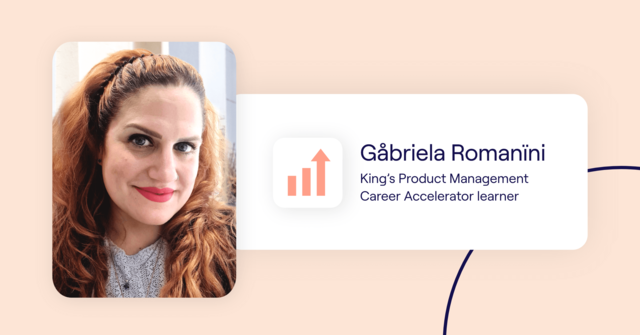
After working as a business analyst for years, Gåbriela Romanïni decided that she wanted to reinvigorate her love for her career and earn more to provide her and her son with a better life. She enrolled in the King’s Product Management Career Accelerator, and after only two months on the programme, she secured a new job with a much better salary.
If you’re interested in sharpening your skills and earning more, take a look at our Career Accelerators. We’re on a mission to get you further in your career, faster, and provide you with the support you need to achieve your unique goals.
Find out more about the programmes on offer and how the combination of academic rigour, industry guidance, and executive career coaching can help set you on the path to making 2024 the year you earn what you deserve and more.